
ADVERTISEMENT
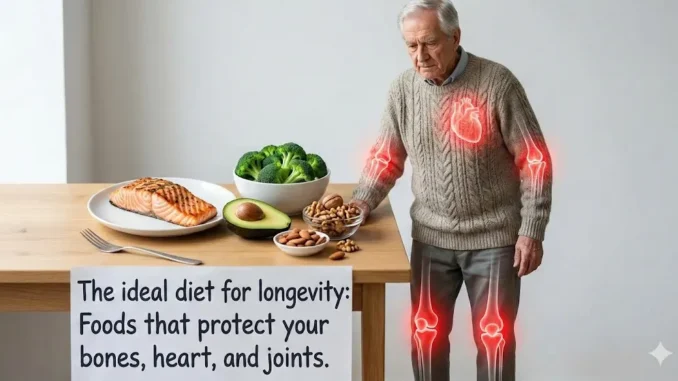
The Ultimate “Longevity Diet” Foods That Protect Your Bones, Heart & Joints
Discover Science-Backed Anti-Aging Foods for Healthy Aging and Disease Prevention
The longevity diet isn’t about deprivation or counting calories—it’s about choosing nutrient-dense foods that actively protect your body from age-related decline. Research shows that specific foods can strengthen your bones, protect your heart, and reduce joint inflammation, potentially adding years to your life while improving your quality of life as you age.
If you’re searching for the best anti-aging foods to support healthy aging, prevent osteoporosis, reduce arthritis pain, or lower your risk of heart disease, this comprehensive guide reveals the most powerful longevity foods backed by scientific research.
What Is the Longevity Diet?
The longevity diet combines elements from the Mediterranean diet, DASH diet (Dietary Approaches to Stop Hypertension), and traditional eating patterns from Blue Zones—regions where people routinely live past 100 years old. These dietary patterns emphasize whole, plant-based foods while limiting processed foods, red meat, and added sugars.
Key principles of longevity nutrition include consuming foods rich in omega-3 fatty acids, antioxidants, calcium, vitamin D, and anti-inflammatory compounds that protect against chronic diseases and slow the aging process.
Best Foods for Bone Health: Prevent Osteoporosis Naturally
Bone density naturally declines with age, especially after menopause in women. Osteoporosis affects millions of Americans, leading to fractures and reduced mobility. However, consuming calcium-rich foods and vitamin D sources can significantly slow bone loss and maintain skeletal strength.
Top Bone-Strengthening Foods
1. Prunes for Bone Density
Dried plums (prunes) are among the most effective foods for preventing bone loss. Clinical research demonstrates that eating just five to six prunes daily helped postmenopausal women preserve hip bone mineral density. Prunes work by reducing inflammatory markers that accelerate bone breakdown while providing boron, vitamin K, and polyphenols that support bone formation.
For optimal bone health benefits, consume 50-100 grams of prunes daily (approximately 5-10 prunes) alongside other calcium sources.
2. Fatty Fish: Salmon, Sardines, and Mackerel
Fatty fish provide a powerful combination for bone health—calcium from edible bones (in canned varieties), vitamin D for calcium absorption, and omega-3 fatty acids that reduce bone-damaging inflammation. A three-ounce serving of canned salmon with bones delivers 187 milligrams of calcium plus significant vitamin D.
Wild-caught salmon, sardines, mackerel, and herring are excellent choices. Aim for two to three servings weekly for maximum bone protection.
3. Dairy Foods: Cottage Cheese and Greek Yogurt
Low-fat dairy products remain among the best calcium sources for bone health. Cottage cheese combines calcium and protein—both essential for maintaining bone mass. One cup of cottage cheese provides approximately 125-180 milligrams of calcium depending on the brand.
Greek yogurt offers even more calcium (200-300 mg per cup) along with probiotics that may enhance nutrient absorption. Choose plain varieties and add fresh berries to avoid added sugars.
4. Almonds and Almond Butter
Tree nuts, particularly almonds, deliver calcium, magnesium, and protein to support bone density. A half-cup of almonds contains 190 milligrams of calcium, while two tablespoons of almond butter provides 111 milligrams. The magnesium in almonds helps convert vitamin D into its active form, enhancing calcium absorption.
Include a small handful (1 ounce) of almonds in your daily diet for sustained bone health benefits.
5. Leafy Green Vegetables
Dark leafy greens like kale, collard greens, bok choy, and turnip greens offer calcium, vitamin K, and magnesium—all critical for bone health. Vitamin K activates proteins that regulate calcium deposition in bones rather than arteries.
One cup of cooked collard greens provides approximately 266 milligrams of calcium. Note that spinach contains oxalates that reduce calcium absorption, so vary your greens for best results.
6. White Beans and Legumes
Plant-based calcium sources are essential for those following vegetarian or vegan diets. White beans (navy beans, cannellini beans) contain about 190 milligrams of calcium per cup, plus protein, fiber, and minerals that support overall bone health.
Legumes also provide magnesium and phosphorus, which work synergistically with calcium to build strong bones.
7. Fortified Foods
Many plant-based milk alternatives (almond milk, soy milk, oat milk) are fortified with calcium and vitamin D to match or exceed dairy milk’s nutrient profile. Check labels to ensure your chosen brand provides at least 300 milligrams of calcium per serving.
Orange juice fortified with calcium and vitamin D can also contribute to your daily intake, though whole fruits are preferable due to fiber content.
Heart-Healthy Foods for Cardiovascular Longevity
Heart disease remains the leading cause of death globally, but dietary modifications can dramatically reduce your cardiovascular risk. The best heart-healthy diet emphasizes unsaturated fats, fiber, antioxidants, and anti-inflammatory compounds.
Foods That Protect Your Heart
1. Extra Virgin Olive Oil
The cornerstone of the Mediterranean diet, extra virgin olive oil is rich in monounsaturated fats and powerful antioxidants called polyphenols. These compounds reduce LDL cholesterol oxidation, decrease inflammation, and protect blood vessel walls from damage.
Studies show that consuming 3-4 tablespoons of extra virgin olive oil daily significantly lowers cardiovascular disease risk. Choose high-quality, cold-pressed varieties for maximum polyphenol content.
2. Fatty Fish Rich in Omega-3s
The same fatty fish that protect your bones also safeguard your heart. Omega-3 fatty acids (EPA and DHA) found in salmon, mackerel, sardines, and herring reduce triglycerides, lower blood pressure, decrease inflammation, and stabilize heart rhythm.
Research consistently shows that consuming fatty fish twice weekly reduces heart attack risk by approximately 30%. For those who don’t eat fish, algae-based omega-3 supplements provide a plant-based alternative.
3. Nuts: Walnuts, Almonds, and Pistachios
Tree nuts are nutritional powerhouses for heart health. Walnuts contain the highest amount of plant-based omega-3s (alpha-linolenic acid) among common nuts. Almonds provide vitamin E and magnesium, while pistachios help lower cholesterol levels.
Eating just one ounce of nuts daily (about a small handful) is associated with a 30% reduction in heart disease risk. Choose raw or dry-roasted varieties without added salt or sugar.
4. Berries: Blueberries, Strawberries, and Blackberries
Berries are loaded with anthocyanins and other flavonoids that protect cardiovascular health through multiple mechanisms. Clinical studies where participants consumed blueberries or strawberries daily for several weeks showed improvements in blood pressure, cholesterol profiles, and markers of oxidative stress.
Aim for at least one cup of mixed berries daily. Frozen berries retain most nutrients and offer year-round availability.
5. Whole Grains for Heart Health
Replacing refined grains with whole grains substantially reduces heart disease risk. Oats, quinoa, brown rice, barley, and whole wheat contain fiber, B vitamins, and minerals that improve cholesterol levels, reduce inflammation, and stabilize blood sugar.
Research indicates that consuming three servings of whole grains daily lowers heart disease risk by 22%. Start your day with steel-cut oats or overnight oats for sustained energy and cardiovascular benefits.
6. Legumes: Beans, Lentils, and Chickpeas
Pulses are exceptional for heart health and longevity. Studies suggest that an optimal longevity diet rich in legumes could add an estimated 10-13 years to life expectancy when adopted early in life. Legumes provide fiber that lowers cholesterol, plant protein that reduces cardiovascular risk, and resistant starch that feeds beneficial gut bacteria.
Include legumes in at least four meals weekly for optimal heart protection.
7. Avocados for Healthy Fats
Avocados provide heart-healthy monounsaturated fats, fiber, potassium, and antioxidants. Research shows that eating one avocado daily improves cholesterol profiles by lowering LDL (bad) cholesterol while maintaining HDL (good) cholesterol levels.
The potassium in avocados (more than bananas) helps regulate blood pressure, further protecting cardiovascular health.
8. Dark Chocolate (70%+ Cacao)
High-quality dark chocolate contains flavanols that improve blood flow, lower blood pressure, and reduce inflammation. Choose chocolate with at least 70% cacao content and limit portions to one ounce daily to avoid excessive calories and sugar.
The cardiovascular benefits come from the cacao—not sugar or milk fat—so darker is better.
Anti-Inflammatory Foods for Joint Health and Arthritis Relief
Chronic inflammation drives joint deterioration, arthritis pain, and cartilage breakdown. While medication can help manage symptoms, specific foods possess potent anti-inflammatory properties that naturally reduce joint inflammation and pain.
Best Foods for Joint Pain and Arthritis
1. Fatty Fish: The Ultimate Anti-Inflammatory Food
Omega-3 fatty acids in salmon, tuna, sardines, and herring directly reduce inflammatory compounds called cytokines. Research demonstrates that regular consumption helps decrease joint swelling, pain intensity, and morning stiffness in people with rheumatoid arthritis.
For therapeutic effects, consume at least 12 ounces of fatty fish weekly or consider high-quality fish oil supplements providing 2-3 grams of EPA/DHA daily.
2. Tart Cherries for Gout and Inflammation
Both fresh tart cherries and tart cherry juice concentrate contain powerful anthocyanins with anti-inflammatory effects comparable to some NSAIDs. Studies show that consuming tart cherries or cherry juice may reduce the frequency of gout attacks while providing relief for exercise-induced muscle soreness.
Drink 8-12 ounces of unsweetened tart cherry juice daily or consume one cup of fresh or frozen tart cherries for joint protection.
3. Cruciferous Vegetables: Broccoli, Kale, and Brussels Sprouts
Vegetables in the brassica family dramatically reduce inflammatory markers in the blood. Broccoli contains sulforaphane, a compound that may block enzymes linked to joint destruction. Research suggests that sulforaphane protects blood vessel walls from inflammatory signaling involved in arthritis progression.
Include at least one cup of cruciferous vegetables daily, lightly steamed to preserve nutrients while improving digestibility.
4. Green Tea: EGCG for Joint Protection
Green tea contains epigallocatechin-3-gallate (EGCG), a polyphenol that blocks production of molecules causing joint damage in rheumatoid arthritis. Clinical studies show that regular green tea consumption reduces inflammation and may slow cartilage breakdown.
Drink 3-4 cups of green tea daily for therapeutic benefits. Matcha green tea provides higher EGCG concentrations than traditional brewed tea.
5. Turmeric and Curcumin
Turmeric’s active compound, curcumin, possesses remarkable anti-inflammatory properties. Research demonstrates that curcumin reduces joint pain and swelling by blocking inflammatory cytokines and enzymes similar to NSAIDs but with fewer side effects.
For maximum absorption, combine turmeric with black pepper (piperine enhances bioavailability by 2000%) and healthy fats. Consider 500-1000 mg of curcumin supplements daily or use generous amounts of turmeric in cooking.
6. Ginger for Pain Relief
Ginger contains gingerols and shogaols that decrease joint pain through anti-inflammatory mechanisms similar to ibuprofen. Studies in people with osteoarthritis and rheumatoid arthritis show significant pain reduction with regular ginger consumption.
Add fresh ginger to smoothies, stir-fries, and teas, or take 1-2 grams of ginger extract daily for therapeutic effects.
7. Garlic: Natural Joint Protector
Garlic contains diallyl disulfide and other sulfur compounds that may limit the activity of cartilage-damaging enzymes. Regular garlic consumption is associated with lower rates of hip osteoarthritis in observational studies.
Include 2-3 cloves of fresh garlic daily in your cooking, crushing or chopping it 10 minutes before heating to maximize beneficial compound formation.
8. Extra Virgin Olive Oil: Oleocanthal
Beyond heart health benefits, extra virgin olive oil contains oleocanthal, a compound with anti-inflammatory effects similar to ibuprofen. Higher-quality oils with robust, peppery flavors contain more oleocanthal.
Use 2-3 tablespoons daily as your primary cooking and salad oil for joint protection.
9. Walnuts for Alpha-Linolenic Acid
Walnuts provide plant-based omega-3 fatty acids that reduce inflammatory markers and may decrease arthritis symptoms. They also contain polyphenols and antioxidants that protect joint tissues.
Consume one ounce (about 7 whole walnuts) daily for anti-inflammatory benefits.
Foods to Avoid: What Increases Inflammation and Disease Risk
Just as certain foods promote longevity, others accelerate aging and disease progression. Minimize or eliminate these inflammatory foods from your diet:
Inflammatory Foods That Harm Bones, Heart, and Joints
1. Processed and Red Meats
High consumption of red and processed meats is associated with increased cardiovascular mortality, likely due to saturated fat, cholesterol, and inflammatory compounds formed during cooking. Processed meats also contain preservatives linked to inflammation.
Limit red meat to 1-2 servings weekly and choose grass-fed varieties when possible. Replace processed meats entirely with plant proteins or fish.
2. Refined Carbohydrates and Added Sugars
White bread, pastries, sugary beverages, and sweets spike blood sugar and insulin levels, triggering inflammatory responses throughout the body. High sugar intake accelerates aging, promotes weight gain, and increases arthritis pain.
Replace refined carbs with whole grains and limit added sugars to less than 25 grams daily for women and 36 grams for men.
3. Trans Fats and Excessive Saturated Fats
Trans fats (found in some margarines, baked goods, and fried foods) promote inflammation and cardiovascular disease. While saturated fat isn’t completely off-limits, excessive amounts raise LDL cholesterol and inflammation markers.
Avoid all trans fats and keep saturated fat below 10% of total calories by choosing lean proteins and plant-based fats.
4. Excessive Alcohol
Heavy drinking leads to bone loss, liver inflammation, and increased cardiovascular risk. While moderate red wine consumption may offer some benefits, excessive alcohol negatively impacts all body systems.
If you drink, limit intake to one drink daily for women and two for men, or abstain entirely.
5. Ultra-Processed Foods
Foods with long ingredient lists containing unrecognizable chemicals, preservatives, and artificial additives promote inflammation and displace nutrient-dense whole foods. These products are typically high in sodium, unhealthy fats, and refined carbohydrates.
Follow the “80/20 rule”—eat whole, minimally processed foods 80% of the time for optimal health outcomes.
6. High-Sodium Foods
Excessive sodium intake raises blood pressure, increases calcium excretion (weakening bones), and may worsen inflammation. Most Americans consume twice the recommended sodium limit.
Aim for less than 2,300 mg sodium daily by cooking at home, reading labels carefully, and using herbs and spices for flavor instead of salt.
The Complete Longevity Diet Meal Plan
Implementing longevity principles doesn’t require perfection—it’s about consistent choices that support health over time. Here’s how to structure your daily eating pattern:
Daily Longevity Diet Framework
Breakfast Options:
– Steel-cut oats with walnuts, berries, and ground flaxseed
– Greek yogurt with almonds, chia seeds, and sliced strawberries
– Smoothie with spinach, frozen berries, banana, and almond butter
– Whole grain toast with avocado and poached eggs
Lunch Ideas:
– Large salad with mixed greens, grilled salmon, chickpeas, and olive oil dressing
– Lentil soup with whole grain bread and side salad
– Quinoa bowl with roasted vegetables, white beans, and tahini sauce
– Whole wheat wrap with hummus, vegetables, and grilled chicken
Dinner Suggestions:
– Baked wild salmon with roasted broccoli and sweet potato
– Mediterranean chicken with olive oil, garlic, tomatoes, and white beans
– Vegetable stir-fry with tofu or tempeh over brown rice
– Lentil curry with spinach served over quinoa
Snacks for Longevity:
– Raw almonds or walnuts (1 ounce)
– Fresh fruit with nut butter
– Vegetable sticks with hummus
– Greek yogurt with berries
– Dark chocolate (1 ounce) with green tea
Daily Beverages:
– Green tea (3-4 cups)
– Water (8+ glasses)
– Tart cherry juice (8 oz)
– Coffee (1-2 cups, moderate consumption)
Essential Supplements for Bone, Heart, and Joint Health
While whole foods should provide most nutrients, certain supplements can fill gaps and enhance longevity efforts:
For Bone Health:
– Vitamin D3: 1000-2000 IU daily (or as directed based on blood levels)
– Calcium: 500-1000 mg daily if dietary intake is insufficient
– Vitamin K2: 100-200 mcg daily to direct calcium to bones
– Magnesium: 300-400 mg daily for calcium absorption
For Heart Health:
– Omega-3 fish oil: 1000-2000 mg EPA/DHA daily (if not eating fatty fish regularly)
– Coenzyme Q10: 100-200 mg daily, especially if taking statins
– Fiber supplement: If not meeting 25-35 grams daily through food
For Joint Health:
– Curcumin/Turmeric: 500-1000 mg daily with black pepper
– Glucosamine/Chondroitin: 1500 mg/1200 mg daily for osteoarthritis
– Collagen peptides: 10-15 grams daily for cartilage support
– Vitamin C: 500-1000 mg daily for collagen synthesis
Always consult your healthcare provider before starting new supplements, especially if taking medications.
Lifestyle Factors That Enhance Longevity Diet Benefits
Nutrition is foundational, but combining healthy eating with other lifestyle practices maximizes longevity outcomes:
Exercise for Bones, Heart, and Joints
Weight-bearing activities** (walking, jogging, dancing, tennis) strengthen bones by creating beneficial stress that stimulates bone formation. Aim for at least 30 minutes daily.
Strength training** builds muscle that supports joints and increases bone density. Include resistance exercises 2-3 times weekly.
Low-impact cardio** (swimming, cycling, elliptical) protects joints while strengthening the cardiovascular system. Incorporate 150+ minutes of moderate-intensity cardio weekly.
Flexibility work** (yoga, tai chi, stretching) maintains joint range of motion and reduces injury risk. Practice 2-3 times weekly.
Sleep and Stress Management
Poor sleep and chronic stress accelerate aging, increase inflammation, and worsen chronic disease. Prioritize 7-9 hours of quality sleep nightly and incorporate stress-reduction practices like meditation, deep breathing, or nature walks.
Social Connections
Blue Zone residents maintain strong social ties throughout life. Social engagement reduces stress, provides purpose, and is independently associated with increased longevity. Cultivate meaningful relationships and stay connected to community.
Avoid Smoking
Smoking is the single most destructive habit for bones, heart, and joints. It accelerates bone loss, dramatically increases cardiovascular disease risk, and worsens arthritis. If you smoke, quitting is the most impactful health decision you can make.
Evidence-Based Results: What to Expect
Adopting a longevity diet produces measurable improvements in health markers:
Within 2-4 weeks:
– Reduced joint pain and stiffness
– Improved energy levels
– Better digestion
– Initial improvements in blood pressure
Within 2-3 months:
– Improved cholesterol profiles
– Better blood sugar control
– Noticeable reduction in arthritis symptoms
Within 6-12 months:
– Measurable improvements in bone density (with consistent weight-bearing exercise)
– Significant cardiovascular risk reduction
– Weight loss if overweight
– Enhanced overall quality of life
Long-term (years):
– Slowed biological aging
– Reduced chronic disease incidence
– Maintained mobility and independence
– Increased healthspan (years lived in good health)
Blue Zones: Real-World Longevity Diet Success
The world’s Blue Zones—Okinawa (Japan), Sardinia (Italy), Ikaria (Greece), Nicoya (Costa Rica), and Loma Linda (California)—provide compelling evidence for longevity diet principles. Residents of these regions live extraordinarily long, healthy lives with remarkably low rates of heart disease, cancer, and dementia.
Common dietary patterns across Blue Zones include:
– Predominantly plant-based eating (90-95% of calories)
– Daily consumption of beans and legumes
– Whole grains as dietary staples
– Nuts consumed regularly
– Limited meat consumption (2-3 times monthly)
– Moderate fish intake in coastal regions
– Minimal processed foods and added sugars
– Natural, whole foods prepared simply
These populations don’t follow complicated diet plans or count calories—they simply eat real, minimally processed foods as part of their cultural traditions.
Common Questions About the Longevity Diet
Can the longevity diet reverse osteoporosis?
While you cannot completely reverse established osteoporosis through diet alone, combining calcium-rich foods, vitamin D, weight-bearing exercise, and appropriate medication (if prescribed) can significantly slow progression and rebuild some bone density.
How quickly will I notice joint pain improvement?
Many people report noticeable joint pain reduction within 2-4 weeks of eliminating inflammatory foods and adding anti-inflammatory options. Significant improvement typically occurs within 2-3 months of consistent dietary changes.
Is the longevity diet expensive?
Not necessarily. While some items (wild salmon, organic produce) cost more, the diet emphasizes affordable staples like beans, lentils, oats, frozen vegetables, and seasonal produce. Eating out less frequently often offsets increased grocery costs.
Can I follow this diet if I’m vegetarian or vegan?
Absolutely. Plant-based eaters can obtain all necessary nutrients through legumes, nuts, seeds, fortified foods, and appropriate supplementation (especially B12 and potentially omega-3s from algae).
What if I have food allergies or intolerances?
The longevity diet is flexible and can accommodate most dietary restrictions. Focus on whole foods you tolerate well while ensuring adequate nutrient intake through alternatives and supplements if needed.
Will I lose weight on the longevity diet?
While weight loss isn’t the primary goal, many people naturally lose excess weight due to increased satiety from fiber-rich foods, reduced processed food intake, and better blood sugar control.
Take Action: Start Your Longevity Diet Today
You don’t need to overhaul your entire diet overnight. Start with these simple steps:
Week 1: Add Longevity Foods
– Include one serving of fatty fish
– Eat berries daily
– Add walnuts or almonds as snacks
– Drink 2-3 cups of green tea
Week 2: Increase Variety
– Try two new vegetables
– Replace white rice with quinoa or brown rice
– Add beans to two meals
– Use extra virgin olive oil exclusively
Week 3: Reduce Inflammatory Foods
– Eliminate sugary beverages
– Reduce red meat consumption
– Replace refined grains with whole grain alternatives
– Cut processed snacks in half
Week 4: Establish Patterns
– Meal prep healthy lunches
– Keep healthy snacks readily available
– Experiment with anti-inflammatory spices (turmeric, ginger)
– Track how you feel in a food journal
Remember, the goal is progress, not perfection. Every healthy choice compounds over time to protect your bones, heart, and joints while extending your healthspan.
Conclusion: Your Path to Healthy Aging Starts Now
The longevity diet isn’t a temporary fix—it’s a sustainable approach to eating that supports lifelong health and vitality. By emphasizing nutrient-dense whole foods, omega-3 fatty acids, antioxidants, and anti-inflammatory compounds while minimizing processed foods and added sugars, you actively protect your body from age-related decline.
Your bones, heart, and joints respond positively to these dietary choices within weeks, and the cumulative benefits over years and decades are profound. The evidence from Blue Zones and countless research studies demonstrates that what you eat directly influences how long and how well you live.
Start today by adding one or two longevity foods to your regular diet. Build from there as new habits become comfortable. Your future self will thank you for the investment you make now in your long-term health and quality of life.
**Ready to transform your health through nutrition?** Download our free longevity diet shopping list and weekly meal planner to simplify your journey toward optimal bone, heart, and joint health. Your best years are ahead of you—fuel them wisely.
—
ADVERTISEMENT
*Disclaimer: This article provides educational information about nutrition and longevity. Individual nutritional needs vary based on age, health status, medications, and other factors. Consult with a registered dietitian or healthcare provider before making significant dietary changes, especially if you have existing health conditions or take medications.*
Leave a Reply